New Publication:
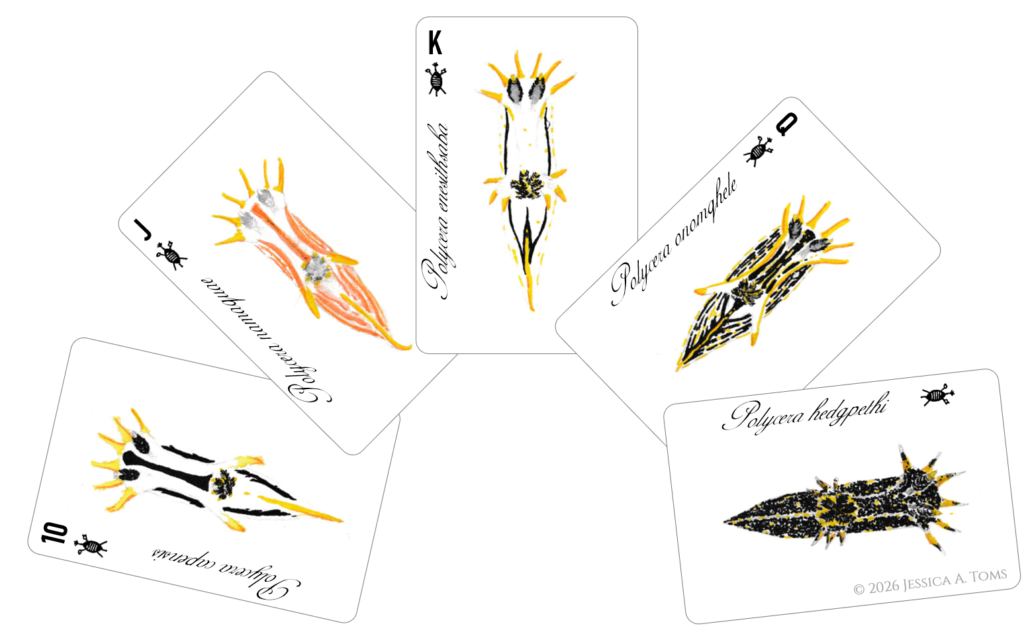
An African Royal Flush: five crowned nudibranch species (Nudibranchia: Polyceridae)
recovered from temperate southern Africa using integrative taxonomy
Jessica A. Toms, Marta Pola, Sophie von der Heyden, Terrence M. Gosliner
Org Divers Evol (2026). https://doi.org/10.1007/s13127-025-00694-x
Picture a creature barely the size of your thumbnail, creeping across a rocky reef off Cape Town, its body ablaze with electric yellow stripes and vivid orange spots. This is Polycera — a genus of sea slug so flamboyantly colored it seems designed to be noticed. And yet, for two centuries, science has barely noticed it at all. That has just changed. A new study has formally described three species of Polycera previously unknown to science — P. onomqhele, P. enesithsaba, and P. namaquae — all living in the coastal waters of southern Africa, and each supported by both genetic and physical evidence. All three appear to be found nowhere else on Earth. The discoveries also confirmed that one species, Polycera hedgpethi, is an introduced stowaway originally from the Pacific coast of North America, likely arriving in ships’ ballast water, while the familiar Cape species P. capensis has itself been accidentally transported to southwestern Australia.
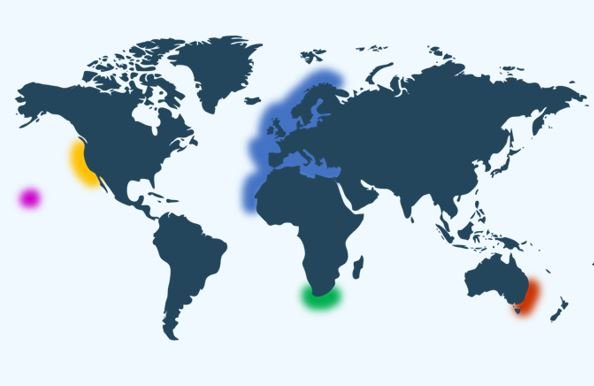
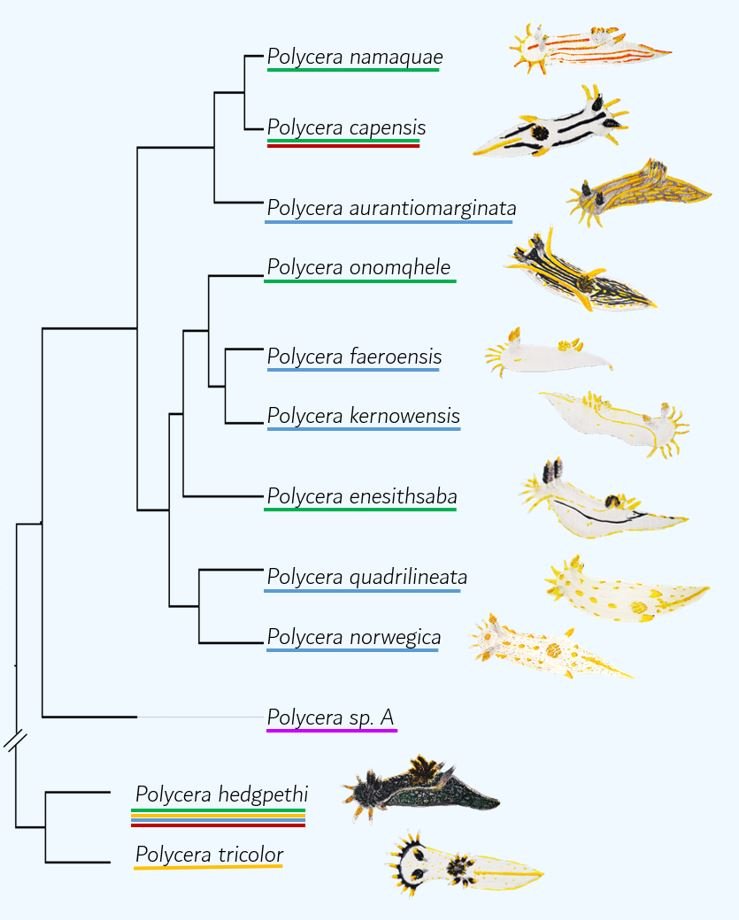
Perhaps the most surprising finding is what the genetics reveal about deep evolutionary history. Rather than being most closely related to neighbouring Indian Ocean species, South Africa’s Polycera turn out to be closest relatives of species living on the Atlantic coasts of Europe — in Cornwall, Norway, and the Faroe Islands.
This connection appears to have formed at least three times over, during the ice ages of the past few million years, when shifting currents and sea levels briefly opened corridors across what is today an impassable tropical barrier. Despite over 500 years of intensive shipping between Europe and South Africa since the age of exploration, none of the naturally occurring species appear to have crossed in modern times — the links are ancient, not accidental. The story of Polycera adds to a growing body of evidence that southern Africa, and the Cape in particular, is a small but globally significant biodiversity hotspot: a place where marine life has repeatedly survived, diversified, and spread outward to replenish the rest of the ocean.
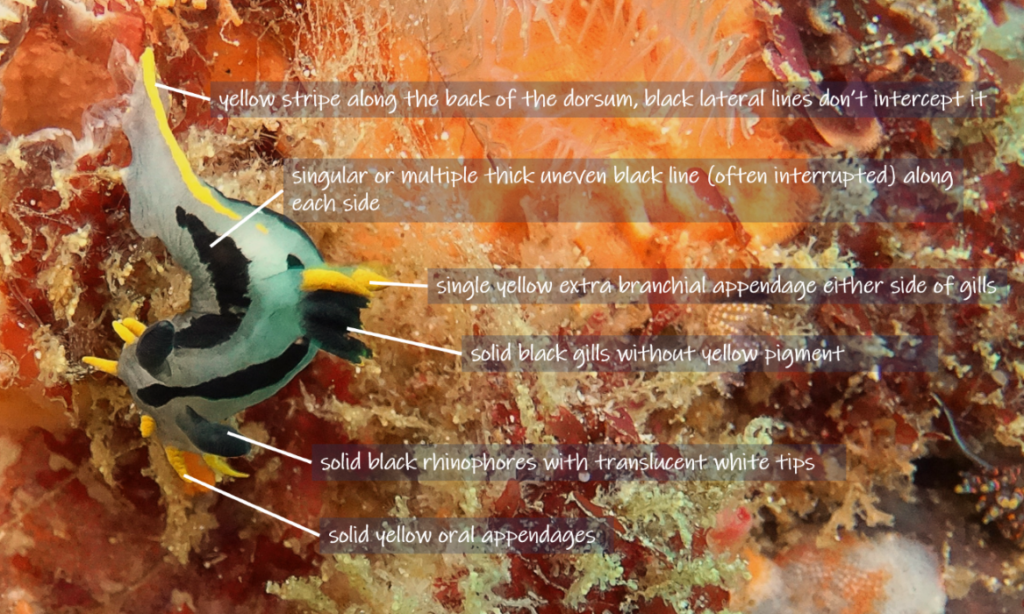
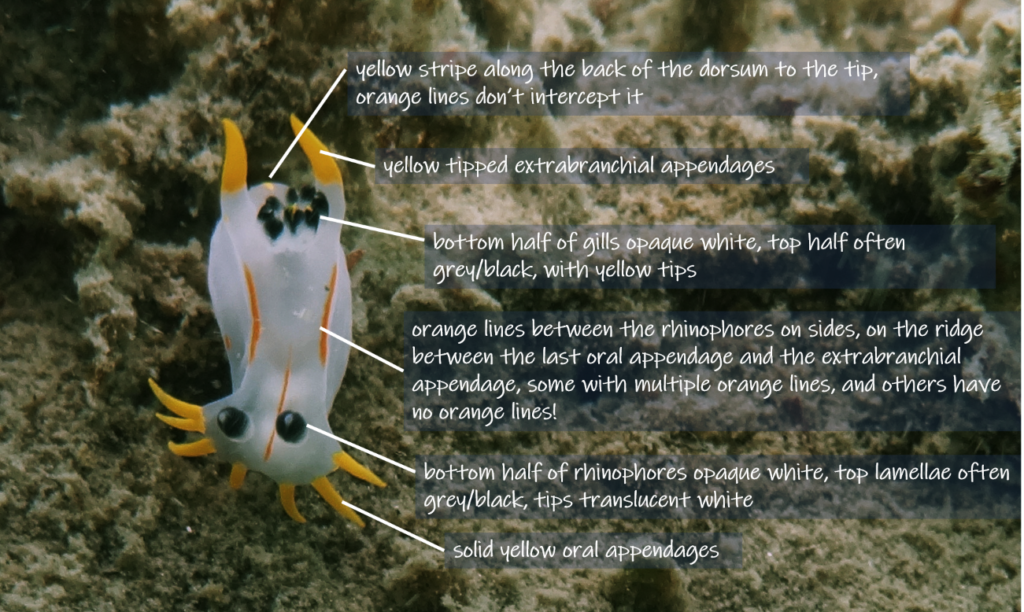
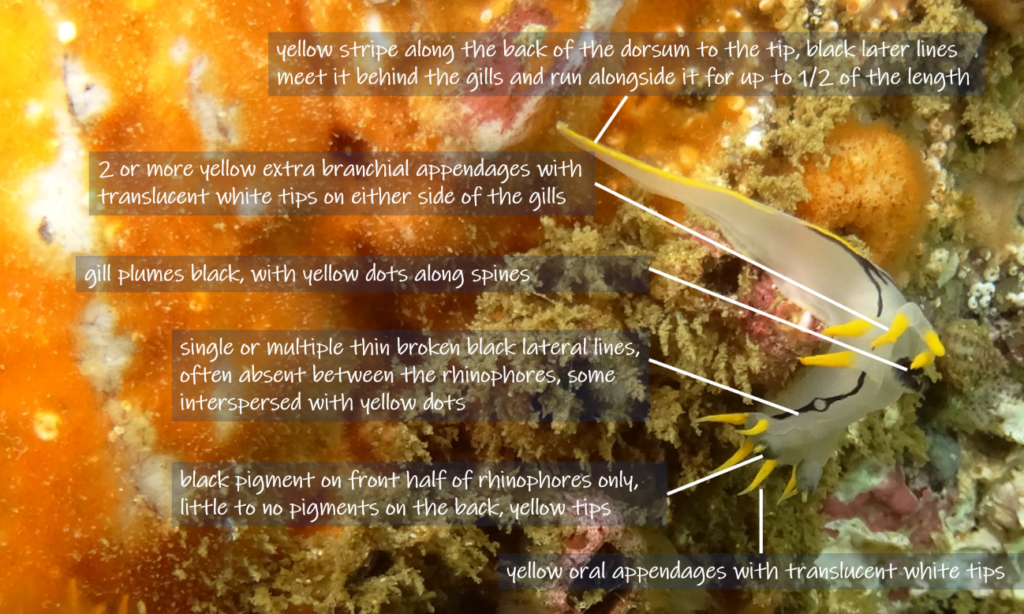
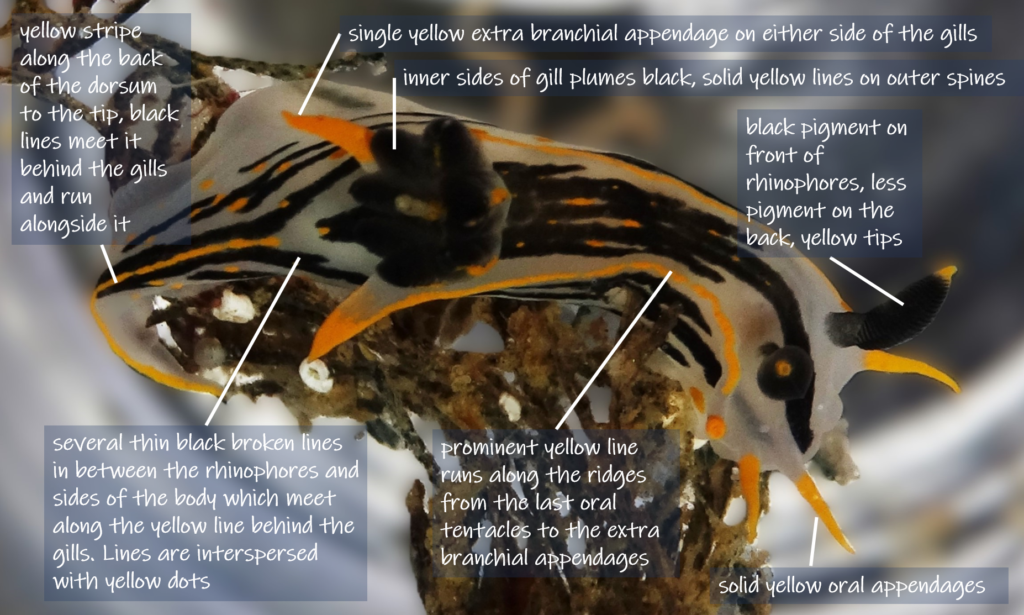
How do we distinguish the three new species from Polycera capensis?
This was a very challenging group to decipher, as there is considerable overlap in the external appearance of the different southern African species. Accurately identifying these species by eye alone remains difficult, even for specialists. However, by combining molecular methods with anatomical features, the hidden diversity was consistently revealed, and we were able to identify key characteristics that distinguished the species from one another.
Click the images below to discover their unique features: